Learn the safe sleep guidelines for babies and when to introduce pillows to prevent SIDS
You’ve set up the perfect nursery, chosen the softest blankets, and now you’re wondering if your baby needs a pillow to be comfortable. It’s a question that crosses every new parent’s mind, especially when we’re so used to our own fluffy pillows at night.
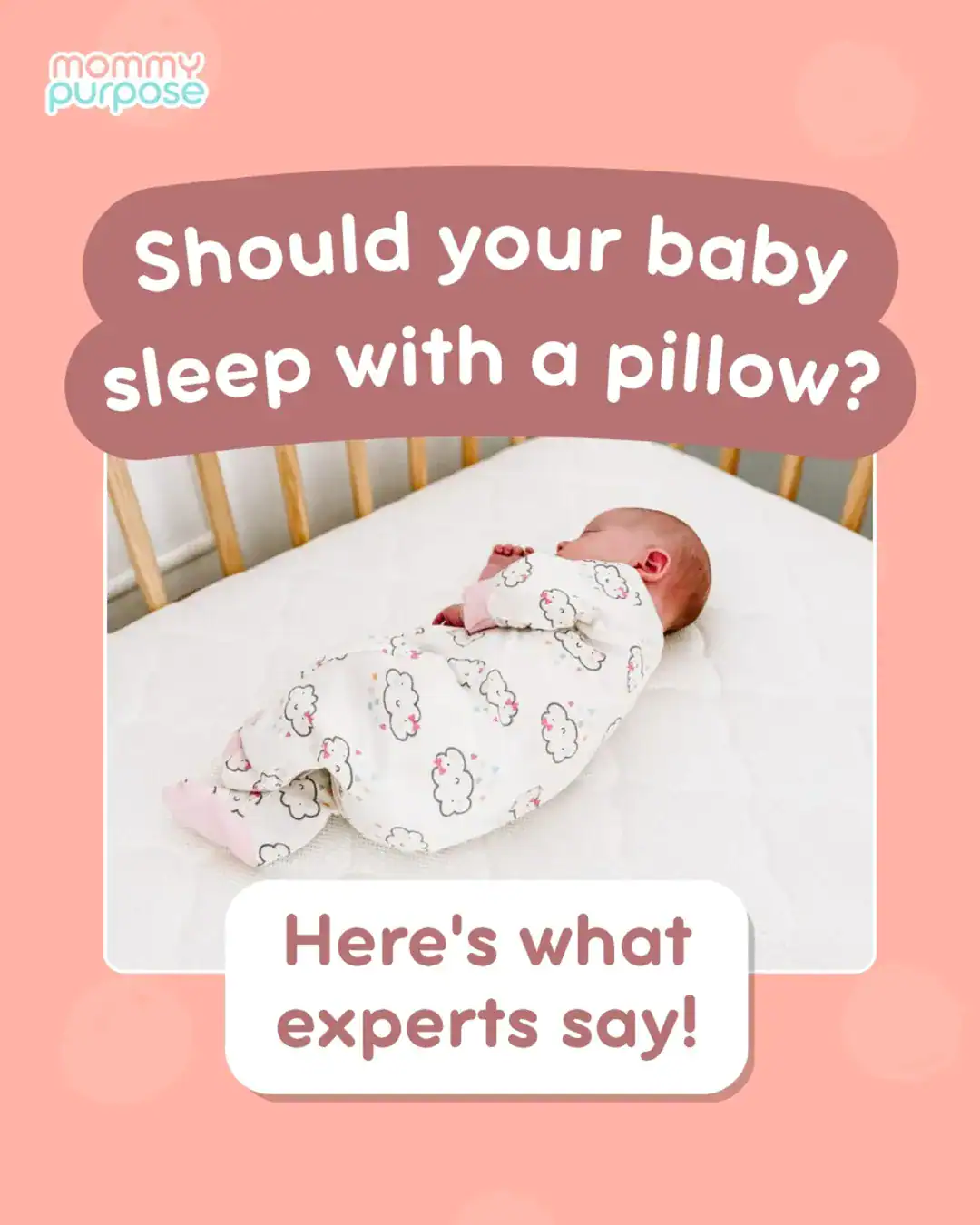
Here’s the truth that might surprise you: experts strongly recommend keeping pillows out of your baby’s crib for at least the first two years. The American Academy of Pediatrics is clear on this, and it’s all about creating the safest sleep environment possible. Babies don’t need pillows the way we do, and having one in their sleep space can actually increase the risk of Sudden Infant Death Syndrome (SIDS). Their little bodies are designed to sleep flat on their backs on a firm mattress, and that’s exactly what helps them breathe safely throughout the night.
You might worry that your baby looks uncomfortable without a pillow, but their developing neck and spine actually benefit from sleeping on a flat surface. Unlike adults, babies have proportionally larger heads and shorter necks, so they don’t need that extra support we crave. Adding a pillow can actually push their head forward in an awkward position, potentially blocking their airway. The safest crib is one with just a fitted sheet over a firm mattress, nothing more. As your little one grows and becomes a toddler, you’ll eventually be able to introduce a pillow when they’re ready. Most experts suggest waiting until around age two or older, when your child has moved to a toddler bed. Even then, you’ll want to choose a small, firm toddler pillow rather than a standard adult one. Watch for signs that they’re ready, like trying to rest their head on stuffed animals or blankets during the day or showing interest in pillows when they see older siblings using them.
You might worry that your baby looks uncomfortable without a pillow, but their developing neck and spine actually benefit from sleeping on a flat surface. Unlike adults, babies have proportionally larger heads and shorter necks, so they don’t need that extra support we crave. Adding a pillow can actually push their head forward in an awkward position, potentially blocking their airway. The safest crib is one with just a fitted sheet over a firm mattress, nothing more. As your little one grows and becomes a toddler, you’ll eventually be able to introduce a pillow when they’re ready. Most experts suggest waiting until around age two or older, when your child has moved to a toddler bed. Even then, you’ll want to choose a small, firm toddler pillow rather than a standard adult one. Watch for signs that they’re ready, like trying to rest their head on stuffed animals or blankets during the day or showing interest in pillows when they see older siblings using them.
At Mommy Purpose, we know how hard it can be to resist the urge to make everything extra cozy for your baby. But sometimes, less really is more when it comes to infant safety. If you’re concerned about your baby’s head shape or positioning, a quick chat with your pediatrician can put your mind at ease. They might suggest simple adjustments like alternating which end of the crib your baby’s head is positioned at during sleep, or increasing supervised tummy time during awake hours. Remember, every baby is different, and the transition to using a pillow will happen at the right time for your child. There’s no rush and keeping that crib clear of soft bedding in those early months is one of the most important things you can do to protect your precious little one.
Trust your instincts, follow the safety guidelines, and know that you’re doing an amazing job keeping your baby safe. Those pillow days will come soon enough, and for now, your little one is sleeping exactly as they should.
#babysleep
#safesleep
#SIDSprevention
#parentingtips
#infantcare